Posts

Showing posts with the label Trichoderma longibrachiatum

Bacillus Methylotrophicus and Trichoderma Longibrachiatum: The Mighty Microbes Unveiled- Unleashing its Potential in Agriculture and Beyond

Image
Bacillus methylotrophicus and Trichoderma longibrachiatum are two powerful microbes that have shown great potential in agriculture and beyond. Let us explore their characteristics and the ways they can be harnessed: Bacillus Methylotrophicus: Bacillus Methylotrophicus is a species of bacteria that exhibits methylotrophic capabilities, meaning it can use compounds such as methanol as a carbon source. Here are some key aspects of Bacillus methylotrophicus: Plant Growth Promotion Bacillus methylotrophicus has been shown to promote plant growth and enhance crop yields. It produces plant growth-promoting substances such as auxins, gibberellins, and cytokinins, which stimulate plant growth and development. It can also improve nutrient uptake by solubilizing phosphates and fixing atmospheric nitrogen. Disease Suppression The bacterium has biocontrol properties, enabling it to suppress various plant pathogens. It can produce antimicrobial compounds, lytic enzymes, and volatile organic compoun...
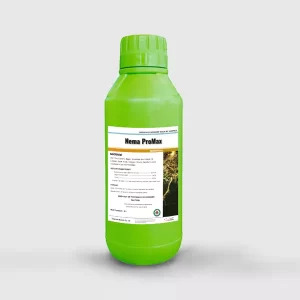
Using Microbial Conditioner to Boost Plant Roots Grow Faster

Image
A plant has many integral parts, consisting of roots, shoots, leaves, stems, and many others. Out of them, the essential one is root. Without a healthy root system, plants cannot enter the growing stage. Therefore, it is mandatory for plants to have a healthy and hygienic root system to convey nutrients and water to the upper parts of plants. Even so, this root system is helpful in complementing the process of photosynthesis in the presence of sunlight and chlorophyll on leaves. All in all, keeping a root system robust and healthy is a priority for every farmer and gardener. It is not possible without microbial conditioners like fungi and bacteria. For example, Bacillus pumilus is a sort of bacteria that works as a pipeline for the consumption of carbon and nitrogen by plants. Trichoderma longibrachiatum is a kind of fungus that acts as a wall against plant diseases caused by harmful bacteria, nematodes, and insects. No doubt, both microbial conditioners play a crucial role in streng...

Applications of Beneficial Soil Microorganisms

Image
Soil microorganisms are a very comprehensive niche to study. They are known among farmers for the repair of contaminated soil, the production of fungicides and bio pesticides, and other agro-based purposes. As soil microbes are small in their structure, sometimes they are visible or invisible to our naked eyes. We can see them by using optical microscopes and many electronic gadgets. There are billions of soil microorganisms available in one gram of soil. Some of them are bacteria, fungi, actinomycetes, algae, and protozoa. Their importance in nitrogen fixation and maintaining soil fertility keeps at bay many pathogenic diseases, among many others. This guide will give you insight into these applications in detail. Biofertilizers are a microbial strain that is beneficial for colonizing the rhizosphere and making essential elements like phosphorus, nitrogen, water, and many others available. Create Good Soil Structures Soil microorganisms have their own life cycle. They excha...